DailyNewsGujarKhanHeadlinePothwar.com 
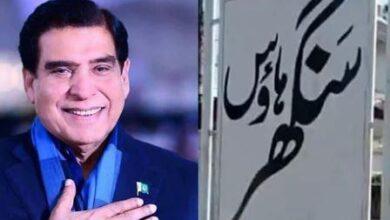
Gujar Khan: Former PM Raja Pervaiz Ashraf Rejects Allegations in ‘Pinky’ Drug Case
راجہ پرویز اشرف نے ’پنکی‘ الزامات مسترد کر دیے، عوام کا سوشل میڈیا جرائم پر حکومتی خاموشی پر سوال

گوجرخان (پوٹھوار ڈاٹ کام / 22مئی 2026) — سابق وزیر اعظم راجہ پرویز اشرف نے مبینہ منشیات کیس میں گرفتار خاتون انمول عرف“پنکی”کی جانب سے لگائے گئے الزامات کو سختی سے مسترد کرتے ہوئے انہیں جھوٹا، سیاسی طور پر نقصان پہنچانے کی کوشش اور بغیر تحقیقات کے سوشل میڈیا مہم کا حصہ قرار دیا ہے۔
قومی اسمبلی میں خطاب کرتے ہوئے راجہ پرویز اشرف نے کہا کہ وہ اُس وقت حیران رہ گئے جب سوشل میڈیا پر وائرل ہونے والی ویڈیوز میں مبینہ ملزمہ نے عدالت پیشی کے دوران ان کا نام لیا۔ ان کا کہنا تھا کہ بعد میں ایک اور ویڈیو سامنے آئی جس میں پنکی کے وکلاء نے دعویٰ کیا کہ بعض سیاستدانوں کے نام لینے کے لیے دباؤ ڈالا گیا تھا۔
راجہ پرویز اشرف نے ایوان کو بتایا کہ انہوں نے پوری سیاسی زندگی میں صاف اور بے داغ کردار کے ساتھ سیاست کی ہے اور وہ ہر قسم کی شفاف تحقیقات کا سامنا کرنے کے لیے تیار ہیں۔ انہوں نے حکام پر زور دیا کہ بغیر تصدیق کے الزامات کو تحقیقات مکمل ہونے سے پہلے عوام میں پھیلنے سے روکا جائے۔
یہ تنازع اُس وقت شدت اختیار کر گیا جب ملزمہ کی عدالت پیشی کی ویڈیوز فیس بک، ٹک ٹاک، یوٹیوب اور دیگر سوشل میڈیا پلیٹ فارمز پر تیزی سے وائرل ہوئیں۔ سیاسی کارکنوں، وی لاگرز اور تبصرہ نگاروں نے اس معاملے پر بھرپور بحث شروع کر دی جبکہ ناقدین کا کہنا ہے کہ عام شہریوں کو اس سے کہیں چھوٹے معاملات پر شدید نتائج کا سامنا کرنا پڑتا ہے۔
قومی اسمبلی اجلاس کے دوران مختلف سیاسی جماعتوں کے ارکان راجہ پرویز اشرف کے دفاع میں متحد دکھائی دیے اور“جرم ثابت ہونے تک بے گناہی”کے اصول پر زور دیتے رہے۔ اطلاعات کے مطابق وفاقی وزیر قانون نے کہا کہ پارلیمنٹ پیپلز پارٹی کے سینئر رہنما کے ساتھ کھڑی ہے جبکہ اسپیکر قومی اسمبلی سردار ایاز صادق نے سوال اٹھایا کہ کیا سائبر کرائم اداروں کو آن لائن پروپیگنڈا کے خلاف کارروائی نہیں کرنی چاہیے۔
دوسری جانب اس کیس نے پاکستان میں سائبر کرائم اور آن لائن ہراسگی کے حوالے سے دوہرے معیار پر عوامی بحث کو مزید بڑھا دیا ہے۔ سوشل میڈیا صارفین کا کہنا ہے کہ عام لوگ روزانہ جعلی فیس بک اکاؤنٹس، شناختی چوری، ہراسگی، بلیک میلنگ اور جھوٹی معلومات کا شکار بنتے ہیں لیکن ان کی شکایات پر اکثر فوری یا مؤثر کارروائی نہیں ہوتی۔
ڈیجیٹل حقوق کے کارکنان بھی بارہا اس بات پر تشویش ظاہر کر چکے ہیں کہ آن لائن جعلسازی اور ہیک شدہ سوشل میڈیا اکاؤنٹس کے متاثرین کو بروقت انصاف اور مدد حاصل نہیں ہو پاتی۔ ناقدین کے مطابق عام شہریوں کی مشکلات کو اکثر نظر انداز کر دیا جاتا ہے جبکہ کسی بڑے سیاسی نام کے سامنے آتے ہی ادارے فوری متحرک ہو جاتے ہیں۔
ماہرین کا کہنا ہے کہ پاکستان میں سوشل میڈیا کا ماحول تیزی سے خطرناک شکل اختیار کر رہا ہے جہاں مختصر ویڈیوز، ایڈیٹ شدہ کلپس اور وائرل تبصروں کے ذریعے چند منٹوں میں کسی بھی شخص کے خلاف عوامی رائے قائم کی جا سکتی ہے، چاہے بعد میں الزامات غلط ہی کیوں نہ ثابت ہوں۔
تاحال حکومت نے فیس بک شناختی چوری، جعلی اکاؤنٹس یا سوشل میڈیا ہراسگی کے حوالے سے کسی نئی پالیسی یا سخت اقدامات کا اعلان نہیں کیا۔ تاہم سوشل میڈیا پر یہ بحث مسلسل جاری ہے کہ آیا پاکستان میں سائبر کرائم قوانین عام شہریوں اور سیاستدانوں کے لیے یکساں طور پر نافذ کیے جا رہے ہیں یا نہیں۔
Gujar Khan (Pothwar.com / May 22, 2026) — Raja Pervez Ashraf has strongly denied allegations linking him to alleged drug suspect Anmol alias “Pinky”, saying the claims are false, politically damaging, and part of a wider trend of social media harassment without proper investigation.
Speaking in Pakistan’s National Assembly, the former prime minister said he was “shocked” after viral videos circulated online in which the accused woman allegedly mentioned his name during a court appearance. Ashraf stated that another clip later emerged in which Pinky’s lawyers claimed she had been pressured to name certain politicians.
According to reports, Ashraf told lawmakers that he has lived a “spotless life” throughout his political career and was ready to face any transparent inquiry. He also urged authorities not to allow unverified allegations to spread publicly before investigations are completed.
The controversy erupted after videos from the suspect’s court appearance spread rapidly across Facebook, TikTok, YouTube, and other social media platforms. Political supporters, vloggers, and commentators began debating the issue online, while critics argued that the public often faces severe consequences for far smaller accusations or online disputes.
During the assembly session, lawmakers from different political sides appeared united in defending Ashraf’s reputation and stressing the principle of “innocent until proven guilty.” Pakistan’s Law Minister reportedly said the parliament stood with the senior PPP leader, while Speaker Ayaz Sadiq questioned whether cybercrime authorities should act against what was described as online propaganda.
However, the case has triggered wider public criticism about double standards in Pakistan’s handling of cybercrime and online abuse. Many social media users argue that ordinary citizens regularly suffer from fake Facebook accounts, identity theft, harassment, blackmail, and viral misinformation, yet their complaints often receive slow or limited action from authorities.
Digital rights activists and members of the public have repeatedly raised concerns that victims of online impersonation and hacked social media accounts struggle to receive timely support. Critics say ordinary people are frequently ignored while high-profile political figures receive immediate institutional attention once their names become part of a controversy.
The debate has also highlighted growing concerns over Pakistan’s online environment, where accusations can spread within minutes through short video clips, edited content, and viral commentary channels before any official investigation takes place. Experts warn that misinformation campaigns and public “media trials” can permanently damage reputations regardless of whether allegations are later proven false.
The government has not yet announced any major new policy specifically addressing Facebook identity theft, fake accounts, or social media harassment connected to this case. Meanwhile, discussions continue online over whether cybercrime laws are being enforced equally for politicians and ordinary citizens alike.