DailyNewsHeadlinePothwar.comRawat 
Rawat: Islamabad Turning into a Concrete Jungle as Thousands of Trees Are Felled
اسلام آباد کنکریٹ کے جنگل میں تبدیل، ہزاروں درختوں کی بے دریغ کٹائی
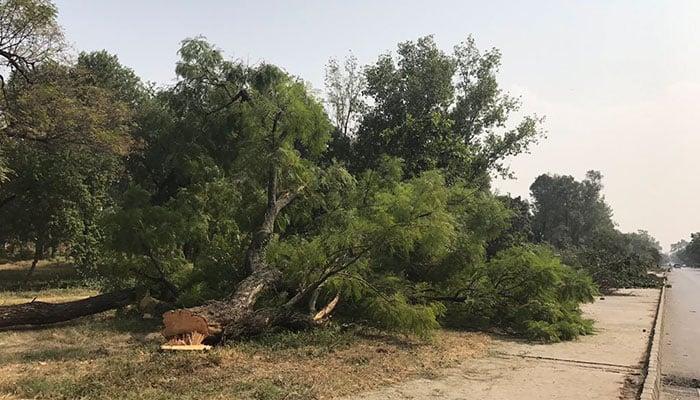
روات(پوٹھوار ڈاٹ کام — محمد نجیب جرال, 11 جنوری 2026):اسلام آباد کبھی درختوں، پھولوں، خوشبوؤں، تتلیوں اورپرندوں کا شہر ہوا کرتا تھا۔ مارگلہ کی پہاڑیاں، شکرپڑیاں کے جنگلات، اسلام آباد ہائی وے کی گرین بیلٹس اور سیکٹرز کے بیچ پھیلی سبزیاں اس شہر کی پہچان تھیں مگر آج یہی اسلام آباد تیزی سے ایک کنکریٹ کے جنگل میں بدلا جا رہا ہیاور یہ عمل اب خفیہ نہیں، کھلے عام ہو رہا ہے۔
اسلام آباد ہائی وے کی وسیع گرین بیلٹ سرکاری و غیر سرکاری تجاوزات کی نذر ہو چکی ہے۔ شکرپڑیاں کے حسین جنگلات کو صاف کر کے تعمیرات زور و شور سے جاری ہیں۔ چک شہزاد کے عقب میں ہزاروں درخت کاٹ کر ہاؤسنگ سوسائٹیاں اگائی جا رہی ہیں۔ یہ سب کچھ کسی دور دراز صحرا میں نہیں، بلکہ وفاقی دارالحکومت کے دل میں ہو رہا ہے۔
سی ڈی اے کا مؤقف ہے کہ درخت پولن الرجی، سانس کی بیماریوں اور سڑکوں کی توسیع کے باعث کاٹے جا رہے ہیں، اور ان کی جگہ نئے درخت لگائے جا رہے ہیں۔ یہ مؤقف کاغذ پر خوبصورت، مگر زمین پر جھوٹ کا پلندہ معلوم ہوتا ہے۔اول یہ کہ کاٹے جانے والے درخت صرف جنگلی شہتوت نہیں تھے بلکہ متعدد اقسام کے گھنے اور بالغ درخت شامل تھے۔دوم یہ کہ خزاں، کہر اور سردی کے موسم میں شجرکاری کا کوئی سائنسی جواز نہیں۔ سوم یہ کہ نئے لگائے جانے والے پودے جن میں اکثر نمائشی نوعیت کے ہیں، ماحولیاتی توازن قائم کرنے کے قابل بننے میں 10 سے 15 سال لیتے ہیں، جبکہ نقصان فوری، شدید اور ناقابلِ تلافی ہے۔
انوائرمنٹ پروٹیکشن ایجنسی پاکستان کا حال اس سے بھی زیادہ افسوسناک ہے۔ یہ ادارہ تب جاگتا ہے جب کوئی ویڈیو وائرل ہو جائے، ورنہ نہ انہیں جلتے کچرے کی خبر ہے، نہ گٹروں کا زہریلا پانی ڈیمز میں مچھلیاں مار رہا ہے، نہ فیکٹریوں کے بغیر ٹریٹمنٹ چھوڑے گئے کیمیکلز کا کوئی نوٹس، نہ جنگلات کے خاتمے کی کوئی فکر۔ بغیر ماسٹر پلان کے شہر کو چیر پھاڑ دیا گیا ہے اور کوئی ذمہ دار نہیں۔
ذرائع کے مطابق اسلام آباد میں 29 ہزار سے زائد درخت کاٹے جا چکے ہیں، جبکہ بعض اندازوں کے مطابق یہ تعداد 35 ہزار سے بھی تجاوز کر چکی ہے۔ سوال یہ نہیں کہ درخت کیوں کاٹے گئے، سوال یہ ہے کہ یہ لکڑی کہاں گئی؟ کس نے خریدی؟ُکتنے میں فروخت ہوئی؟ رقم کہاں جمع ہوئی؟ اور ان سب کی تحقیقات کون کرے گا؟
شدید تنقید کے بعد پارک روڈ پر درختوں کی کٹائی والی جگہ کو سبز کپڑا لگا کر بند کر دیا گیا نو انٹری، یہ گرین واشنگ نہیں تو اور کیا ہے؟ I/8 سیکٹر میں پولن کے نام پر درخت کاٹے گئے اور ان کی جگہ سریا، سیمنٹ اور کنکریٹ زمین کے سینے میں گاڑ دیا گیا۔
گلوبل فاریسٹ واچ کے مطابق 2001ء سے 2024ء کے دوران وفاقی دارالحکومت میں درجنوں ایکڑ جنگلات ختم ہو چکے ہیں۔ مگر اصل المیہ یہ نہیں، اصل المیہ یہ ہے کہ پوچھنے والا کوئی نہیں۔ میڈیا، سوشل میڈیا اور عوام احتجاج کر رہے ہیں، مگر سی ڈی اے کے ایوانوں میں خاموشی ہے کیونکہ طاقتور پشت پناہی موجود ہے۔
ڈی ایچ اے پورے ملک میں قیمتی زرعی زمینوں اور درختوں کا صفایا کر چکا ہے، اور اب اسلام آباد بھی اسی راستے پر ڈال دیا گیا ہے۔ یہ صرف ماحولیات کی تباہی نہیں، یہ آنے والی نسلوں سے دشمنی ہے، یہ بدترین کرپشن ہے، اور یہ ایک زندہ شہر کو آہستہ آہستہ مارنے کے مترادف ہے۔ وفاقی حکومت جواب دے۔ چیف کمشنر اسلام آباد جواب دے۔ چیئرمین سی ڈی اے بتائے کہ اضافی چارج کس مقصد کے لیے ہیشہر بچانے کے لیے یا شہر بیچنے کے لیے؟
اگر یہی روش رہی تو آنے والی نسلیں شاید یقین ہی نہ کریں کہ اسلام آباد کبھی ایک ہرا بھرا شہر تھا۔ وہ اسے صرف کتابوں اور تصویروں میں دیکھیں گیاور ہمیں ایک ایسی نسل کے طور پر یاد کریں گی جس نے سب کچھ دیکھ کر بھی خاموشی اختیار کی۔
یہ صحرائے تھر نہیں، یہ اسلام آباد ہیاور اسے بچانا اب شہری فریضہ نہیں، اخلاقی ذمہ داری بن چکا ہے۔